





Development
When to Use an AI Website Builder
and When Not To
- Published
- 19 August 2026
- Reading time
- 5 min read
- By
- Mateo Jakelic
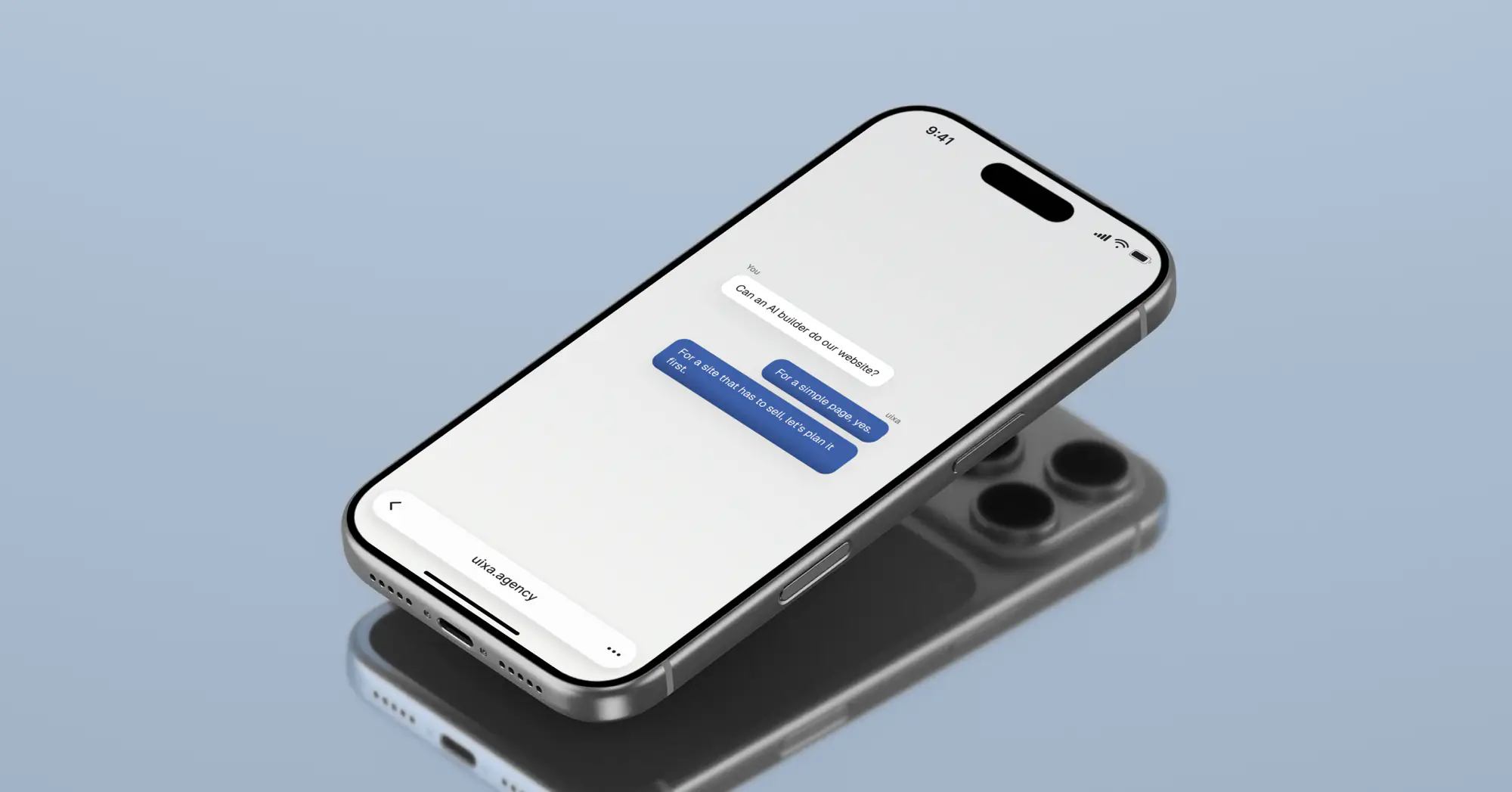
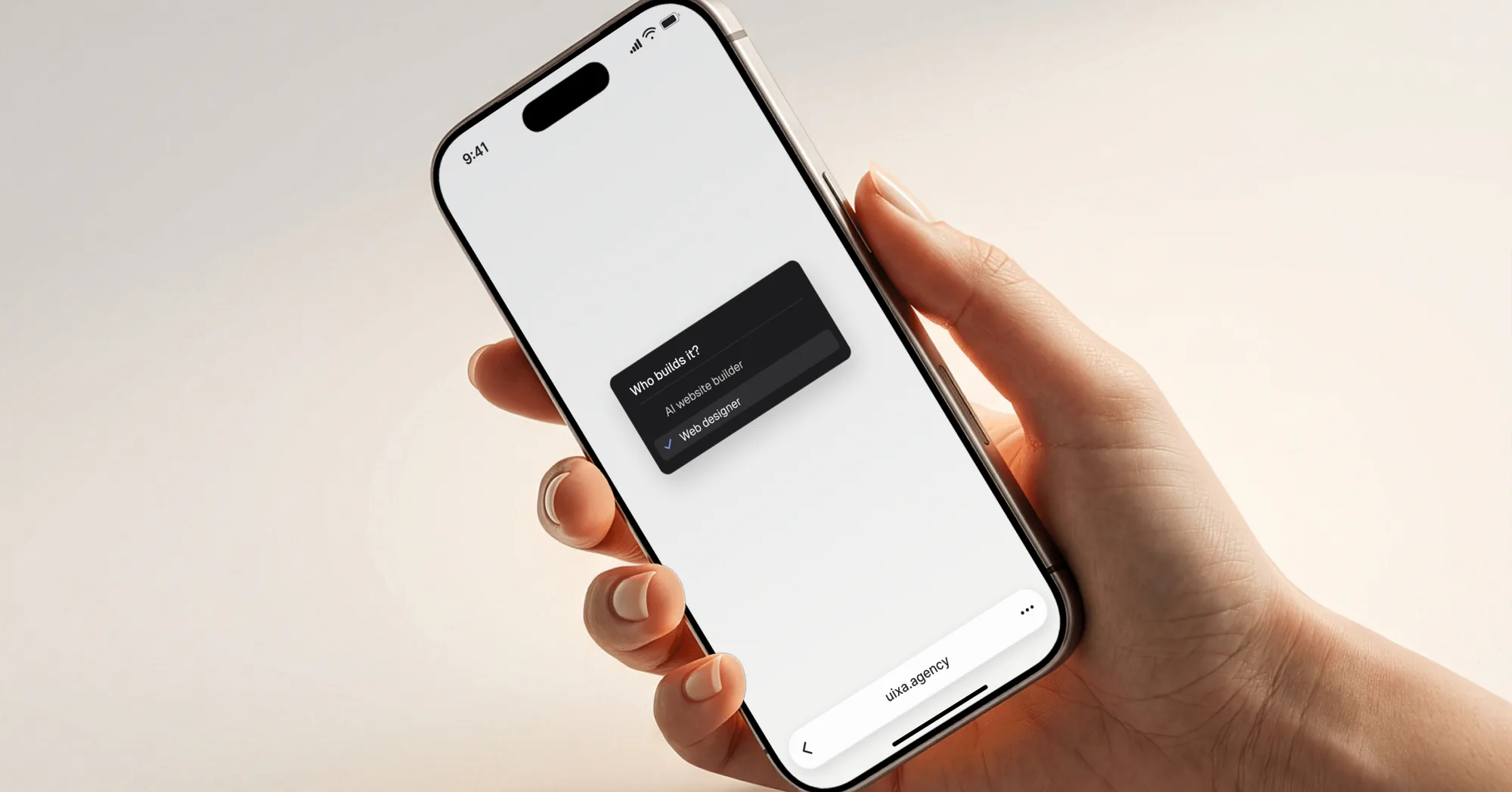
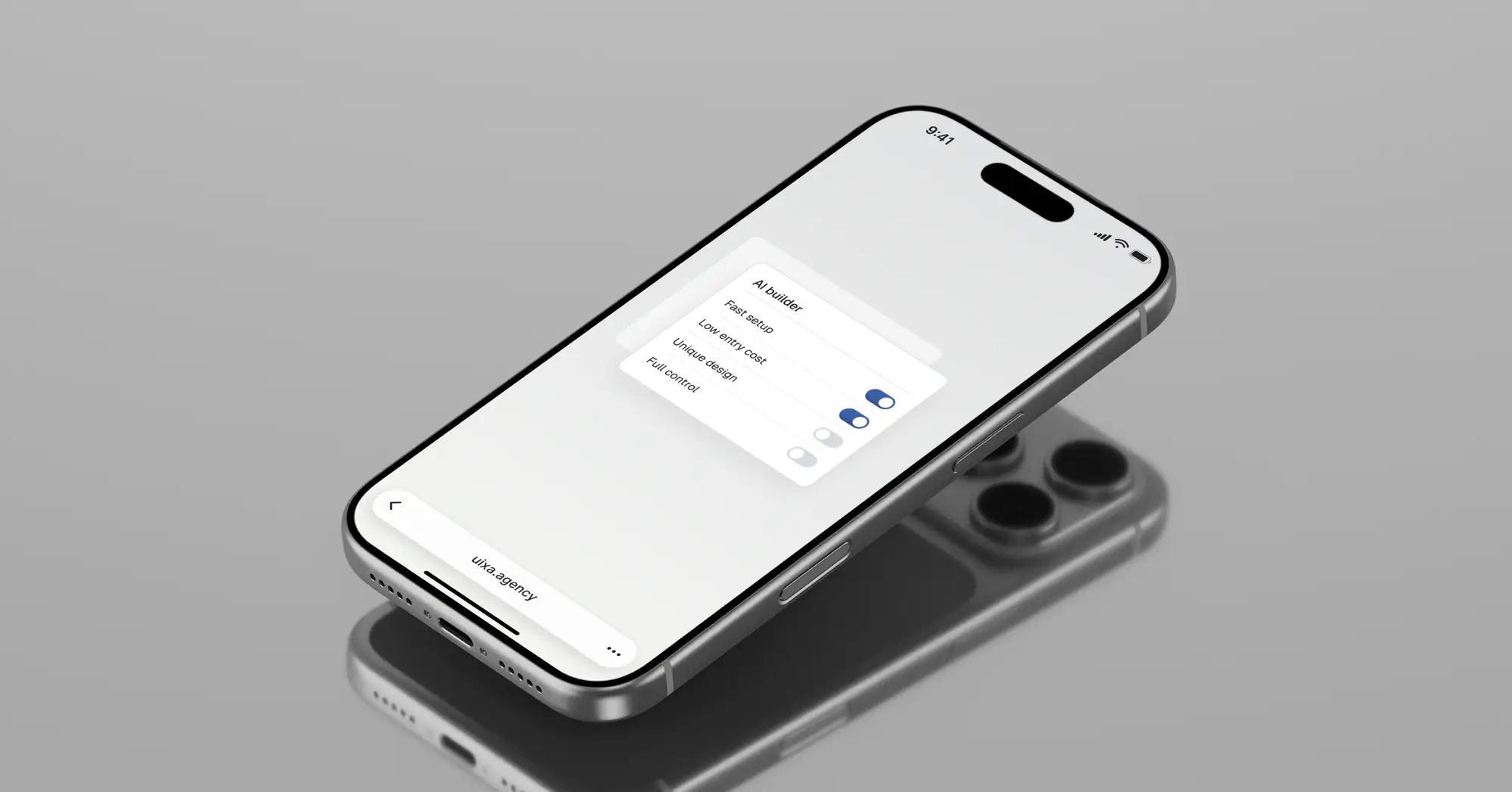
AI website builders are a right-tool-for-the-job decision. Use one for simple, fast, affordable sites and testing ideas. Avoid one when you need distinctive branding, custom features, conversion-focused design, or scale. When you're in between, a hybrid approach often wins.
The debate around AI website builders is usually framed as "are they good or bad?", which is the wrong question. They're a tool, and like any tool, they're excellent for some jobs and wrong for others. The useful question is when to use one and when to reach for something else. Here's a straight, agency-honest guide to help you decide, without a sales pitch in either direction.
When an AI website builder is the right choice
There are plenty of situations where an AI builder is genuinely the smart, responsible option, not a compromise:
You're testing an idea or building an MVP. If you need to validate a concept quickly and cheaply before investing real money, an AI builder gets you live fast. If the idea works, you build properly later; if it doesn't, you've saved months and thousands.
You need a simple, professional presence. A local business, a freelancer, a consultant, many just need a clear homepage, an about page, a services page, and a contact form that looks good on mobile. AI builders handle this well, and paying agency rates for it would be overspending.
Your budget is genuinely tight. A professional-looking AI-built site beats no site at all, or a half-finished custom project you couldn't afford to complete. Starting lean is often the right business call.
You need to launch immediately. Sometimes timing matters more than perfection, an event, a campaign, a sudden opportunity. Speed wins, and AI delivers it.
When to avoid an AI website builder
Equally, there are situations where an AI builder will cost you more than it saves, and it's worth being honest about them:
Your brand needs to stand out. If distinctive visual identity is a competitive advantage, a design agency, a luxury brand, an innovative startup, AI builders work against you, because they pattern-match toward what already exists. Generic is the opposite of what you need.
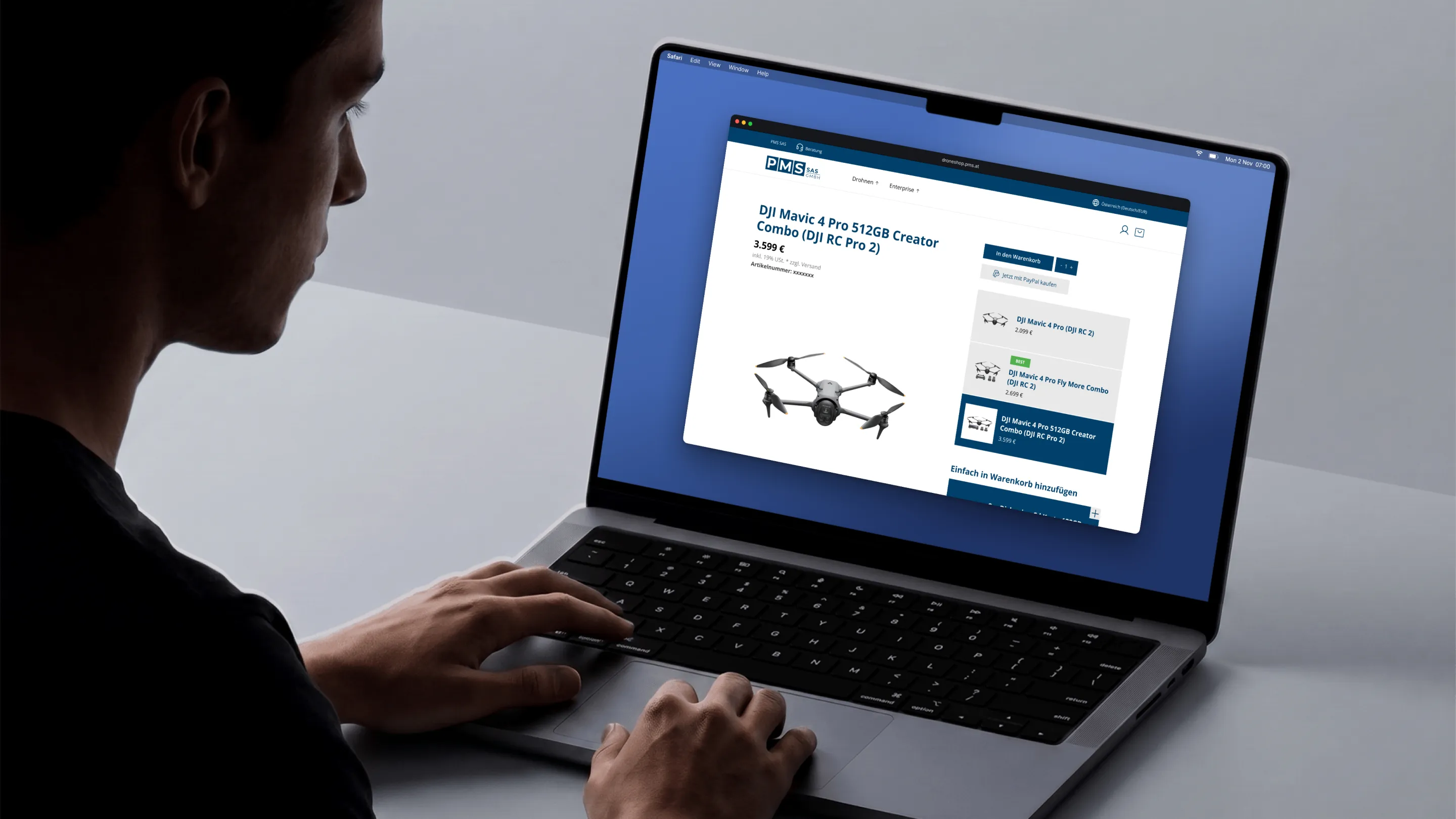
Your website is a serious sales channel. If real revenue depends on your site converting visitors, the strategic thinking and conversion-focused design a professional brings usually pays for itself many times over.
You need custom functionality. Advanced booking rules, complex e-commerce logic, custom integrations, custom membership systems, unique interactive features, these are where AI builders hit their ceiling and a developer becomes necessary.
You're building for scale. If you expect to grow and add complexity, starting on a rigid platform often means an expensive rebuild later. Building on a proper foundation from the start is cheaper over time.
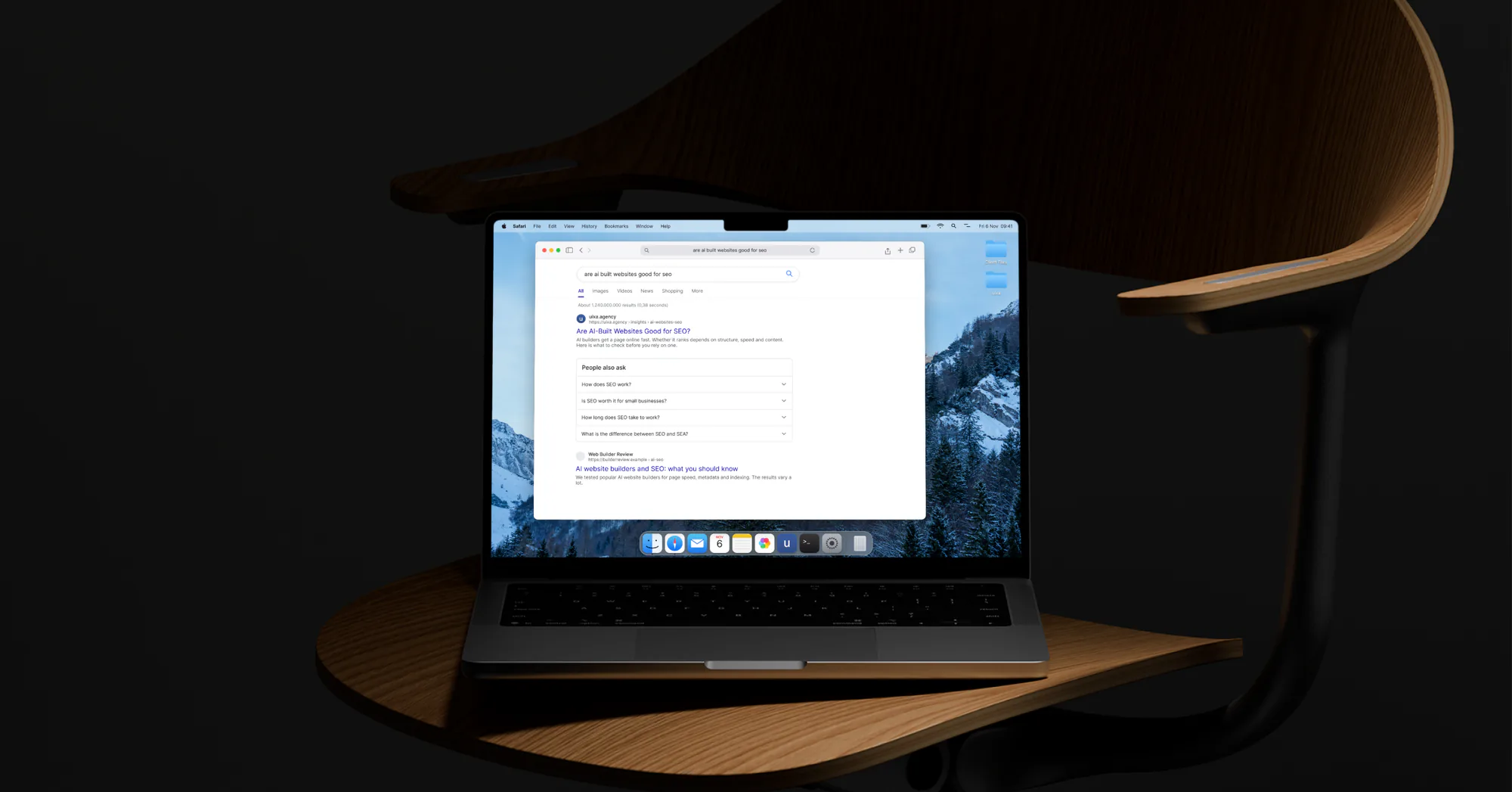
Search traffic is critical. If you're depending on SEO to find customers, someone has to know what to look for in structure and the technical basics, whichever tool builds the site, as we cover in are AI-built websites good for SEO.
The hybrid path: the best of both
For a growing number of businesses, the answer isn't one or the other. Start with AI, then bring in professional help where it pays off. Launch fast on an AI builder, start collecting real data and revenue, and invest designer or developer time only in the specific things that move the needle. You get speed now and quality where it counts, without overspending before you know what works. It mirrors how we use AI in our own agency work, tools for the groundwork, humans for the craft.
A simple decision test
If you're still unsure, ask yourself three questions. Does my website need to be distinctive, or just clear and professional? Is it a serious sales channel, or a simple presence? Will it need to grow and add complexity, or stay roughly as it is? If your answers lean toward "clear, simple, and stable," an AI builder is likely a great fit. If they lean toward "distinctive, revenue-critical, and growing," professional design will serve you better, and a hybrid approach might serve you best of all.
Frequently asked questions
When should I use an AI website builder?
When you need a simple, professional site fast and affordably, when testing an idea or MVP, or when budget or timing is the priority and your needs are fairly standard.
When should I not use an AI website builder?
When you need distinctive branding, custom functionality, a conversion-critical sales site, serious scalability, or strong SEO performance in a competitive market.
Can I switch from an AI builder to a custom site later?
Yes. On a hosted builder that usually means a rebuild and content migration. Many businesses start on AI to launch fast and move to custom once they've grown or validated the idea.
Is a hybrid approach really better?
For many growing businesses, yes. It combines AI's speed and low cost with professional quality applied precisely where it matters, avoiding both overspending and under-building.
How do I know which is right for my business?
Weigh whether your site needs to be distinctive, whether it's revenue-critical, and whether it needs to scale. Clear-simple-stable favours AI; distinctive-critical-growing favours professional design.
The bottom line
AI website builders aren't a yes-or-no decision, they're a right-tool-for-the-job decision. Use one when you need simple, fast, and affordable. Avoid one when you need distinctive, custom, conversion-focused, or scalable. And when you're somewhere in between, the hybrid path often beats both. The mistake isn't choosing AI or choosing an agency, it's choosing the wrong one for what you're actually building.
Want an honest answer for your specific situation? Get in touch, we'll tell you straight, even if the answer is "use an AI builder."